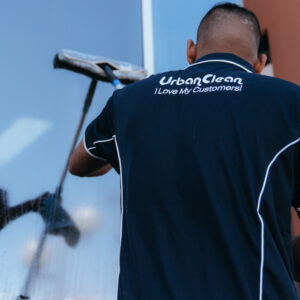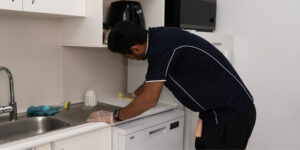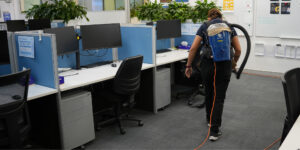
The commercial cleaning industry is entering a decisive period of transformation driven by rapid advancements in technology, rising sustainability expectations, stricter compliance requirements, and a renewed focus on health and hygiene. What was once considered a labour‑intensive, background service has evolved into a strategic operational function that directly influences workplace safety, productivity, and organisational performance across Australia. As businesses demand measurable outcomes, greater transparency, and consistently higher standards, cleaning providers must adapt or risk falling behind. Urban Clean is not only responding to these shifts but actively leading them, investing in systems, training, and innovation that align with where the industry is heading, not where it has been.
1. Smart Cleaning and Automation Are Redefining Efficiency
Automation and smart cleaning technologies are reshaping how commercial cleaning is delivered. AI‑enabled equipment, IoT sensors, and autonomous floor‑care machines are moving the industry away from manual routines and toward proactive, data‑driven operations. These tools detect contamination, optimise cleaning schedules, and verify task completion with a level of consistency that traditional methods cannot match.
The takeaway: Automation is becoming essential for maintaining cost‑effective, reliable cleaning services at scale.
How Urban Clean is embracing this: Urban Clean is integrating smart cleaning technologies into its operational model, ensuring our franchisees have access to modern equipment and digital systems that enhance productivity and consistency. By adopting automation early, Urban Clean is reducing labour pressure, improving service reliability, and positioning its network to meet the rising expectations of large commercial clients.
2. Sustainability Is Becoming a Non‑Negotiable Standard
Environmental responsibility has shifted from a preference to a procurement requirement. Businesses now expect cleaning providers to use biodegradable consumables, low‑toxicity chemicals, and energy‑efficient equipment, while demonstrating clear sustainability practices. This shift is driven by corporate ESG commitments and a growing awareness of the health impacts of traditional cleaning chemicals.
The takeaway: Sustainable cleaning is now a baseline expectation, and providers must demonstrate real environmental accountability.
How Urban Clean is embracing this: Urban Clean prioritises eco‑friendly products and low‑toxicity processes across its network. By selecting suppliers aligned with sustainability standards and training franchisees in environmentally responsible methods, Urban Clean ensures clients receive effective cleaning without compromising health or environmental outcomes. This commitment supports healthier workplaces and aligns with modern procurement frameworks.
3. Specialised Cleaning Services Are Driving Industry Growth
The strongest growth in the commercial cleaning sector is occurring in specialised environments such as medical facilities, data centres, logistics hubs, and short‑term rental properties. These settings require advanced training, strict compliance, and precise execution — and they command higher margins as a result. Generalist providers are increasingly losing ground to operators who can meet sector‑specific standards.
The takeaway: Specialisation is becoming a strategic differentiator and a pathway to stronger, more stable revenue.
How Urban Clean is embracing this: Urban Clean is expanding its specialised service capabilities by developing structured training programs and operational systems tailored to high‑value sectors. Franchisees are supported with the knowledge, certification pathways, and compliance frameworks needed to confidently service medical, industrial, and high‑risk environments. This positions Urban Clean as a capable partner for clients with complex requirements.
4. Health, Hygiene, and Indoor Air Quality Are Now Strategic Priorities
Cleaning is no longer viewed as a background function. Post‑pandemic, it has become a frontline operational priority tied directly to employee wellbeing, productivity, and risk management. Organisations now expect documented hygiene protocols, deep‑cleaning capability, and awareness of indoor air quality. These expectations have elevated cleaning from a cost centre to a critical component of workplace health.
The takeaway: Cleaning providers must operate with the professionalism and accountability expected in regulated industries.
How Urban Clean is embracing this: Urban Clean has strengthened its hygiene standards, quality assurance processes, and documentation practices to meet modern expectations. Through consistent training and systemised procedures, Urban Clean ensures that every site receives reliable, compliant, and transparent service delivery. This approach builds trust with clients who now view cleaning as a strategic investment rather than a commodity.
5. The Workforce Is Evolving Into a Tech‑Enabled Profession
The perception of cleaning as “unskilled labour” is rapidly disappearing. Modern cleaning teams require training in automated equipment, chemical safety, digital reporting, and customer service. Companies that invest in capability development are outperforming those that rely on outdated labour models.
The takeaway: A trained, tech‑enabled workforce is essential for delivering consistent, high‑quality cleaning services.
How Urban Clean is embracing this: Urban Clean has invested heavily in structured training programs that equip franchisees and their teams with the skills needed to operate confidently in a modern cleaning environment. From digital reporting tools to equipment training and compliance education, Urban Clean ensures its workforce is prepared for the industry’s evolving demands. This focus on capability is a defining advantage in a competitive market.
6. Data‑Driven Operations Are Becoming the New Standard
Clients increasingly expect transparency, accountability, and measurable outcomes. Data dashboards and digital reporting systems allow cleaning providers to track task completion, quality audits, consumable usage, and response times with precision. This shift is especially important as more organisations outsource cleaning and require clear performance metrics.
The takeaway: Data is becoming the backbone of modern cleaning operations, and providers who cannot demonstrate performance will struggle to retain clients.
How Urban Clean is embracing this: Urban Clean has embedded data‑driven systems into its operational model, giving franchisees and clients clear visibility over performance. Through digital checklists, quality audits, and transparent reporting tools, Urban Clean ensures that service delivery is consistent, measurable, and aligned with contractual expectations. This level of visibility strengthens client relationships and sets a new standard for accountability.
The Industry Is Changing — Urban Clean Is Leading the Change
The commercial cleaning sector is undergoing a structural shift that will define the next decade. Technology, sustainability, specialisation, workforce capability, and data transparency are no longer optional — they are essential. Urban Clean is embracing these changes proactively, ensuring its franchise network is equipped with the systems, training, and tools needed to lead in a rapidly evolving industry.
Thinking About Starting a Cleaning Business? Our Franchisees Are Making Bank.
Urban Clean franchisees aren’t just doing okay. They’re thriving. They’re building real businesses with real income and real freedom — the kind of success that makes people wonder why they didn’t start sooner. Commercial cleaning is in demand, recession‑proof, and supported by a system that actually works.
No guesswork. No going it alone. Just a proven model that turns effort into income.
If you’re looking for a business that’s stable, scalable, and genuinely profitable, Urban Clean might be the smartest move you make this year. Our franchisees clean commercial spaces, build strong client bases, and grow their income with confidence. It’s not glamorous, but it’s real — and it works. Click here to book a call.
Sources
This article draws on current insights from leading industry bodies and technology providers, including:
ISSA – The Worldwide Cleaning Industry Association Industry reports and trend analyses on automation, sustainability, workforce development, and global cleaning standards.
Cleaning & Facility Management Publications Recent commentary on the rise of specialised cleaning services, data‑driven operations, and post‑pandemic hygiene expectations.
Commercial Cleaning Technology Providers Information from manufacturers and innovators in autonomous cleaning equipment, IoT‑enabled devices, and smart facility management systems.
Australian Workplace Health & Safety Guidelines Standards relating to chemical safety, hygiene protocols, and indoor air quality requirements across commercial environments.